Efficient Appointment Scheduling Techniques for Healthcare
- Monica Coleman Witherspoon
- Oct 13, 2025
- 3 min read

Efficient scheduling is a cornerstone of a well-run healthcare practice. It ensures that patients receive timely care, reduces wait times, and optimizes the use of medical staff and resources. For doctors, clinic owners, and wellness providers, mastering appointment scheduling techniques can significantly improve operational flow and patient satisfaction. This article explores practical strategies and tools to enhance scheduling efficiency in healthcare settings.
Understanding Efficient Scheduling Techniques in Healthcare
Efficient scheduling techniques involve more than just filling appointment slots. They require a strategic approach to managing time, resources, and patient needs. Here are some key techniques to consider:
Time Blocking: Allocate specific blocks of time for different types of appointments, such as consultations, follow-ups, or procedures. This helps in managing patient flow and reduces bottlenecks.
Buffer Times: Include short buffer periods between appointments to accommodate unexpected delays or emergencies without disrupting the entire schedule.
Prioritization: Prioritize urgent cases or patients with special needs to ensure timely care.
Automated Reminders: Use automated systems to send appointment reminders via SMS or email, reducing no-shows and last-minute cancellations.
Flexible Scheduling: Offer flexible appointment times, including early mornings, evenings, or weekends, to accommodate diverse patient schedules.
Implementing these techniques requires a combination of good planning and the right technology to support the process.

Leveraging Technology for Streamlined Scheduling
Technology plays a vital role in enhancing scheduling efficiency. Modern healthcare practices benefit from digital tools that automate and simplify the appointment process. Some effective technological solutions include:
Online Booking Systems: Allow patients to book appointments online at their convenience, reducing administrative workload.
Integrated Calendar Systems: Sync appointments with staff calendars to avoid double bookings and ensure availability.
Patient Portals: Enable patients to view, reschedule, or cancel appointments easily.
Data Analytics: Use analytics to identify peak times, no-show patterns, and optimize scheduling accordingly.
By integrating these tools, healthcare providers can reduce errors, save time, and improve patient engagement.
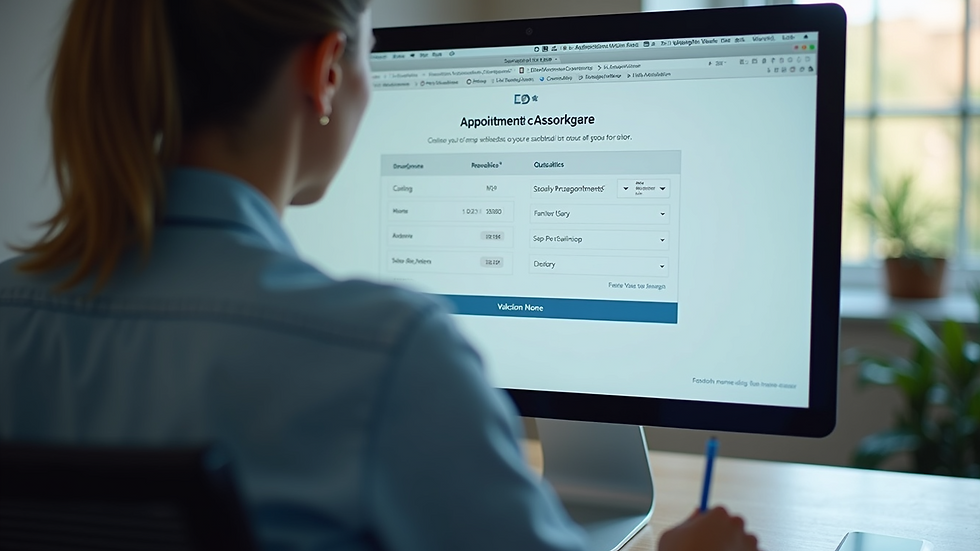
What is the Best Free Appointment Scheduler?
Choosing the right appointment scheduler depends on the specific needs of the practice. For those seeking cost-effective solutions, several free options offer robust features:
Calendly: User-friendly interface with automated reminders and calendar integrations.
Setmore: Provides online booking, staff management, and payment processing.
10to8: Includes SMS reminders, two-way calendar sync, and reporting tools.
Square Appointments: Combines scheduling with payment processing, ideal for wellness providers.
When selecting a free scheduler, consider factors such as ease of use, integration capabilities, and customer support. Testing a few options can help determine the best fit for your practice.

Best Practices for Reducing No-Shows and Cancellations
No-shows and last-minute cancellations disrupt schedules and reduce revenue. Implementing best practices can minimize these issues:
Confirm Appointments: Send confirmation messages 24-48 hours before the appointment.
Flexible Rescheduling: Allow patients to reschedule easily through online portals or phone.
Clear Cancellation Policies: Communicate cancellation policies upfront to encourage responsibility.
Patient Education: Inform patients about the importance of keeping appointments for their health.
Follow-Up Calls: For high-risk patients, a personal follow-up call can reinforce commitment.
These steps help maintain a reliable schedule and improve patient-provider relationships.
Enhancing Patient Experience Through Scheduling
A smooth scheduling process contributes significantly to patient satisfaction. Consider these enhancements:
Multiple Booking Channels: Offer phone, online, and in-person booking options.
Short Wait Times: Optimize schedules to minimize patient wait times.
Personalized Scheduling: Tailor appointment lengths based on patient history and needs.
Accessibility: Ensure scheduling platforms are accessible to all patients, including those with disabilities.
Feedback Mechanisms: Collect patient feedback on the scheduling experience to identify areas for improvement.
Focusing on patient convenience and communication fosters trust and loyalty.
Moving Forward with Efficient Scheduling
Implementing efficient scheduling techniques is an ongoing process that requires regular evaluation and adaptation. By combining strategic planning, technology, and patient-centered practices, healthcare providers can create a scheduling system that supports growth and enhances care delivery.
For those interested in optimizing their scheduling processes, exploring professional consulting services can provide tailored solutions. For example, appointment scheduling expertise from specialized consultants can help streamline operations and boost practice efficiency.
Efficient scheduling is not just about managing time - it is about creating a seamless experience that benefits both providers and patients alike.


Comments