Scheduling Appointments Effectively: Tips for Healthcare Providers
- Monica Coleman Witherspoon
- Dec 29, 2025
- 3 min read

Efficient scheduling is a cornerstone of a well-run healthcare practice. It directly impacts patient satisfaction, staff productivity, and overall operational success. For doctors, clinic owners, and wellness providers, mastering the art of scheduling appointments effectively can transform the patient experience and streamline daily workflows. This article explores practical strategies to optimize appointment management, reduce no-shows, and enhance communication with patients.
Why Scheduling Appointments Effectively Matters in Healthcare
Healthcare providers face unique challenges when managing appointments. Unlike other industries, patient care requires flexibility, attention to detail, and sensitivity to individual needs. Poor scheduling can lead to long wait times, rushed consultations, and frustrated patients. Conversely, a well-organized schedule allows providers to deliver quality care while maximizing their time.
Key benefits of effective scheduling include:
Improved patient flow: Reduces bottlenecks and overcrowding in waiting areas.
Higher patient satisfaction: Patients appreciate timely appointments and clear communication.
Better resource utilization: Optimizes use of staff, rooms, and equipment.
Reduced no-shows and cancellations: Minimizes lost revenue and wasted time.
Implementing smart scheduling practices is essential for healthcare providers aiming to grow their practices confidently and focus on delivering excellent patient care.
Practical Tips for Scheduling Appointments Effectively
1. Use Technology to Your Advantage
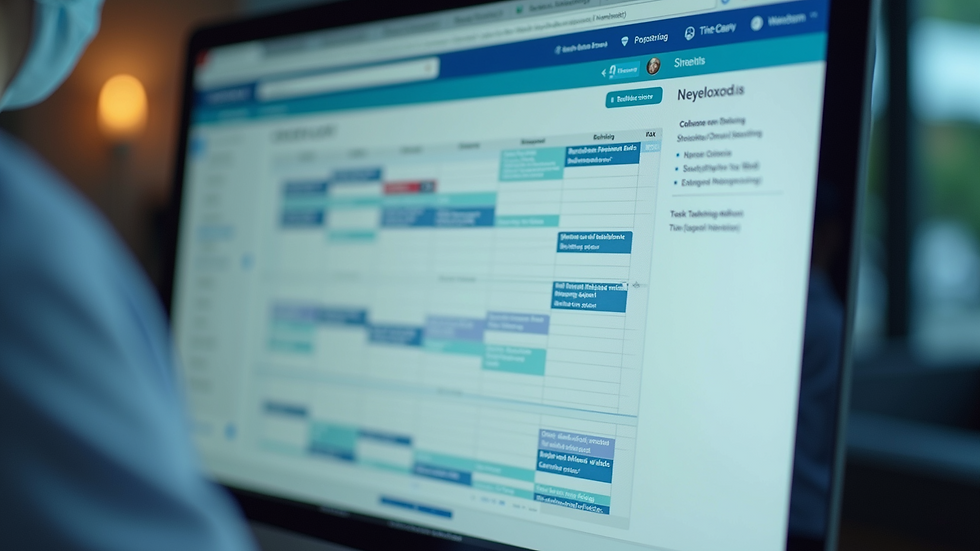
Modern scheduling software can automate many tasks, from booking to reminders. Look for systems that integrate with electronic health records (EHR) and allow patients to book or reschedule online. Features to consider:
Automated reminders: Text or email alerts reduce no-shows.
Real-time availability: Patients can see open slots and choose convenient times.
Waitlist management: Automatically fill cancellations with patients on standby.
Reporting tools: Track appointment trends and identify peak times.
By leveraging technology, providers can reduce administrative burdens and improve accuracy.
2. Allocate Time Slots Based on Appointment Type
Not all appointments require the same amount of time. Categorize visits to allocate appropriate time slots:
New patient consultations: Longer slots to allow thorough history-taking.
Follow-up visits: Shorter, focused appointments.
Procedures or tests: Allocate extra time for preparation and recovery.
This approach prevents overbooking and ensures patients receive adequate attention.
3. Build Flexibility Into the Schedule
Healthcare is unpredictable. Emergencies and urgent cases can disrupt planned appointments. To accommodate this:
Reserve buffer slots throughout the day for walk-ins or urgent visits.
Allow some flexibility for providers to extend or shorten appointments as needed.
Encourage patients to notify the office in advance if they need to reschedule.
Flexibility helps maintain smooth operations without compromising care quality.
Enhancing Patient Communication and Engagement
Clear communication is vital for successful appointment management. Patients who understand the scheduling process and expectations are more likely to keep their appointments and feel valued.
1. Provide Multiple Booking Channels
Offer patients various ways to schedule appointments:
Phone calls with friendly staff.
Online portals or mobile apps.
Email requests.
Multiple options increase accessibility and convenience.
2. Send Timely Reminders and Confirmations
Automated reminders sent 24-48 hours before appointments reduce no-shows. Include:
Date and time of the appointment.
Location and directions.
Instructions for preparation, if any.
Encourage patients to confirm or reschedule if necessary.
3. Educate Patients About Cancellation Policies
Clearly communicate cancellation and rescheduling policies to avoid last-minute changes. Consider:
Charging fees for late cancellations or no-shows.
Offering easy rescheduling options.
Transparency fosters respect and accountability.

Optimizing Staff Roles and Training
Efficient appointment scheduling requires a well-trained team. Staff should understand the importance of their role in managing the schedule and be equipped with the right tools.
Train front-desk staff on using scheduling software and handling patient inquiries.
Encourage proactive communication to confirm appointments and follow up on missed visits.
Empower staff to manage waitlists and fill cancellations promptly.
A knowledgeable team contributes to a seamless scheduling process and positive patient interactions.
Strategies to Minimize No-Shows and Late Arrivals
No-shows and late arrivals disrupt schedules and reduce practice efficiency. Implement these strategies to minimize their impact:
Implement reminder systems: As mentioned, automated reminders are highly effective.
Offer flexible scheduling: Allow patients to choose times that fit their routines.
Use waitlists: Fill canceled slots quickly with patients on standby.
Follow up on missed appointments: Contact patients to reschedule and understand barriers.
Tracking no-show patterns can help identify patients who may need additional support or reminders.
Final Thoughts on Improving Appointment Scheduling
Effective appointment scheduling is a dynamic process that requires ongoing attention and adaptation. By embracing technology, customizing time slots, enhancing communication, and empowering staff, healthcare providers can create a scheduling system that supports both operational efficiency and excellent patient care.
For providers looking to refine their scheduling processes, partnering with experts like Coleman Witherspoon Consulting LLC can provide tailored solutions to streamline operations and confidently grow their practices.
For more insights on appointment scheduling, explore resources that can help transform your practice’s scheduling system.
By implementing these tips, healthcare providers can ensure their schedules work for them and their patients, fostering a more productive and patient-centered environment.


Comments